Fall Lawn Care Guide When You Should Stop Mowing Grass
- December 23, 2025
- 0
Did you know that the grass in the United States collects more than 12 million tons of dirt and dust every year? This helps to clean the air



9621 Agnes Crossing, Lake Suzanneview, New Mexico Island 84604-9295.
Did you know that the grass in the United States collects more than 12 million tons of dirt and dust every year? This helps to clean the air
Did you know that the grass in the United States collects more than 12 million tons of dirt and dust every year? This helps to clean the air we breathe. Or that on hot days, a good lawn may keep your yard up to 30°F cooler than the pavement around it?
It’s no surprise that suitable fall maintenance is important for a lush spring rebound, as 48% of Americans think lawn care is a calming hobby that improves mental and physical health.
Still, a shocking 69% of homeowners say their lawns need work, mostly because they make typical mistakes like mowing too short or not paying attention to seasonal changes.
It’s fall now, which means that taking care of your lawn and garden will be very different from what it was in the spring and summer. When the weather becomes colder, it might be time to put some gardening duties ahead of others and stop doing things like mowing your lawn.
If you pay a little attention to your grass now, it will be ready for winter and will be ready to flourish nicely when spring and summer come.
Here are the fall lawn care tasks that you should pay particular attention to.
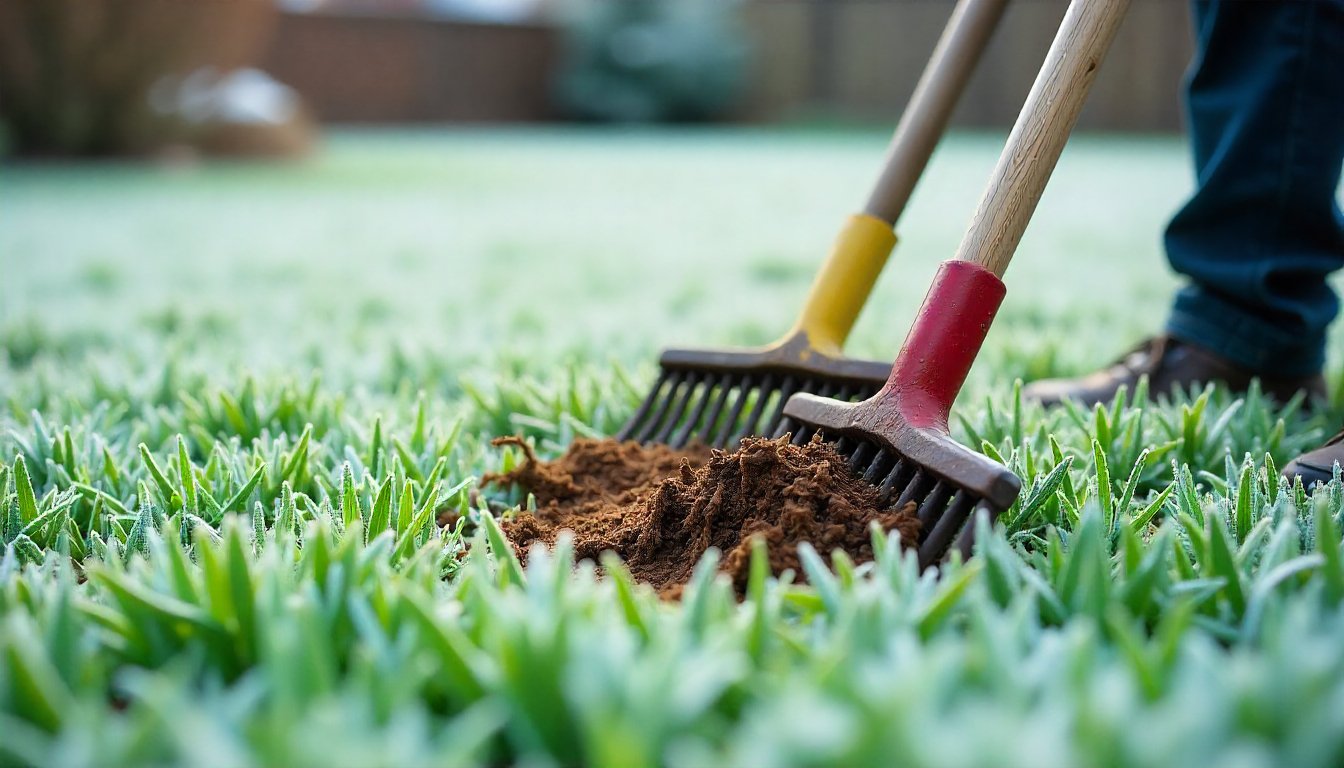
Your grass goes through a lot of changes in the fall. When the weather gets cooler, the energy that goes into growing blades goes into growing roots instead. This makes the plants stronger against the cold of winter.
Fact: Grass grows best when the temperature is between 60 and 75 degrees Fahrenheit. Below 50 degrees, it slows down a lot and goes into dormancy to save energy.
If you mow too late or the wrong way, the grass will be stressed, which could attract pests, fungi, or even snow mold in the spring.
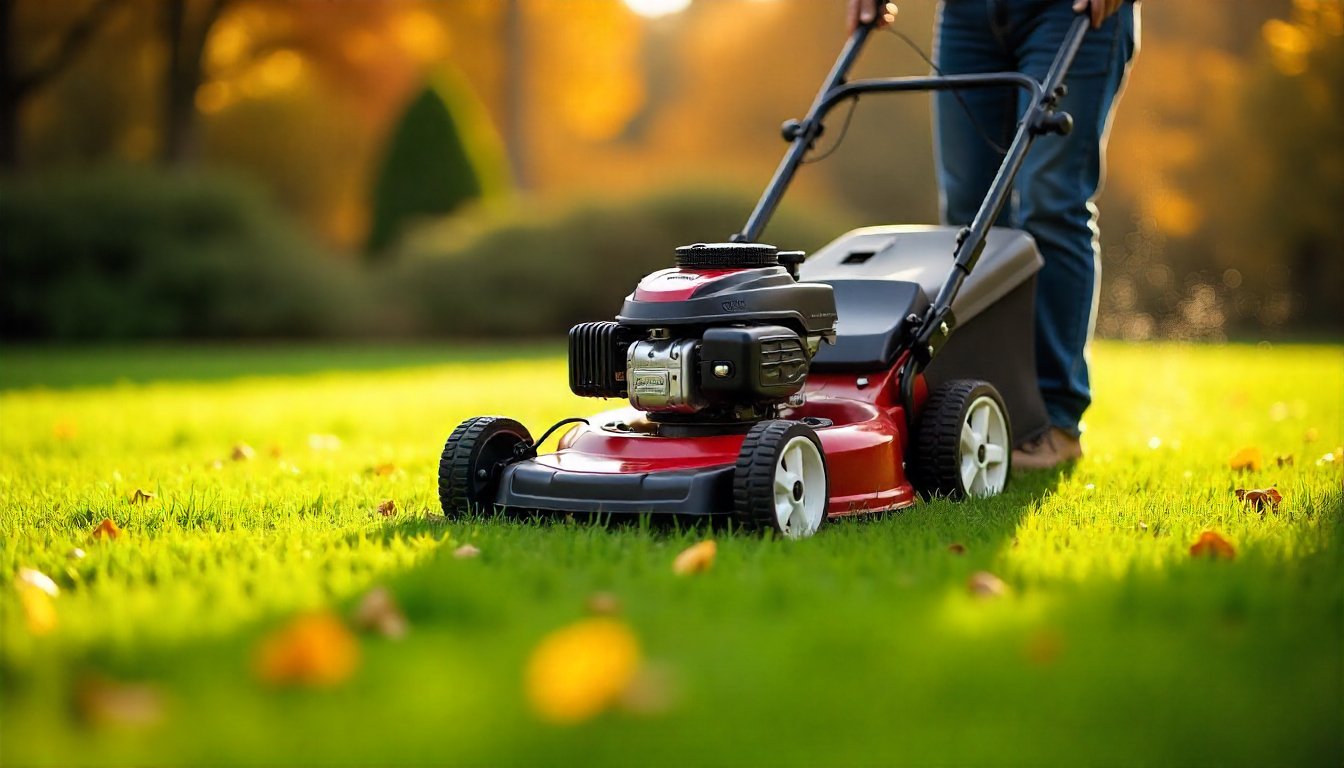
On the other hand, a well-timed last cut, which usually leaves the grass at 2.5 to 3 inches, stops it from matting under snow and helps it grow back thick.
When to Stop Mowing Grass on your Lawn: Key Signs
The most important rule? Stop mowing when the grass stops growing, but how can you know? Based on what experts say, here’s a bullet-point list:
Keep an eye on the daily lows and stop mowing grass when the soil temperature stays below 50°F for a week. Most of the time, this happens between late October and early November in the U.S. But it might happen earlier in the North and later in the South.
Keep mowing cool-season grasses (such as Kentucky bluegrass or fescue, which are widespread in northern states) until they stop growing. Aim for a final height of 3 to 4 inches.
Bermudagrass or zoysia in the South are warm-season grasses that become dormant earlier. In the fall, increase your mower deck and only mow when weeds appear.
If your lawn isn’t growing more than half an inch a week, it’s time to quit. If the grass stops growing after a cut or the first frost, it means it is dormant
Your last mow should be by mid-November. In the South, it might continue until December. Always check the frost dates in your area to be sure.
To avoid scalping, which exposes roots to cold, gradually shorten the last session to 2–2.5 inches. Put the mulch cuttings back into the soil to get natural nutrients.
Is it cold outside? Stop the mower; it’s time to fertilize.
As fall goes on, you may really want to give your lawn “one last trim.” But it’s important to hold back, especially when the temperature drops below 50 degrees Fahrenheit.
When the temperature drops below 50 degrees Fahrenheit, mowing grass strains dormant grass and makes it harder for it to retain the nutrients it needs for winter.
Also, even though the chilly temperature could make it seem like your grass has stopped growing, the roots below are still expanding.
Fertilizing in the fall is a good idea since it strengthens the roots and keeps the lawn healthy and ready to grow when spring comes again.
Tip:
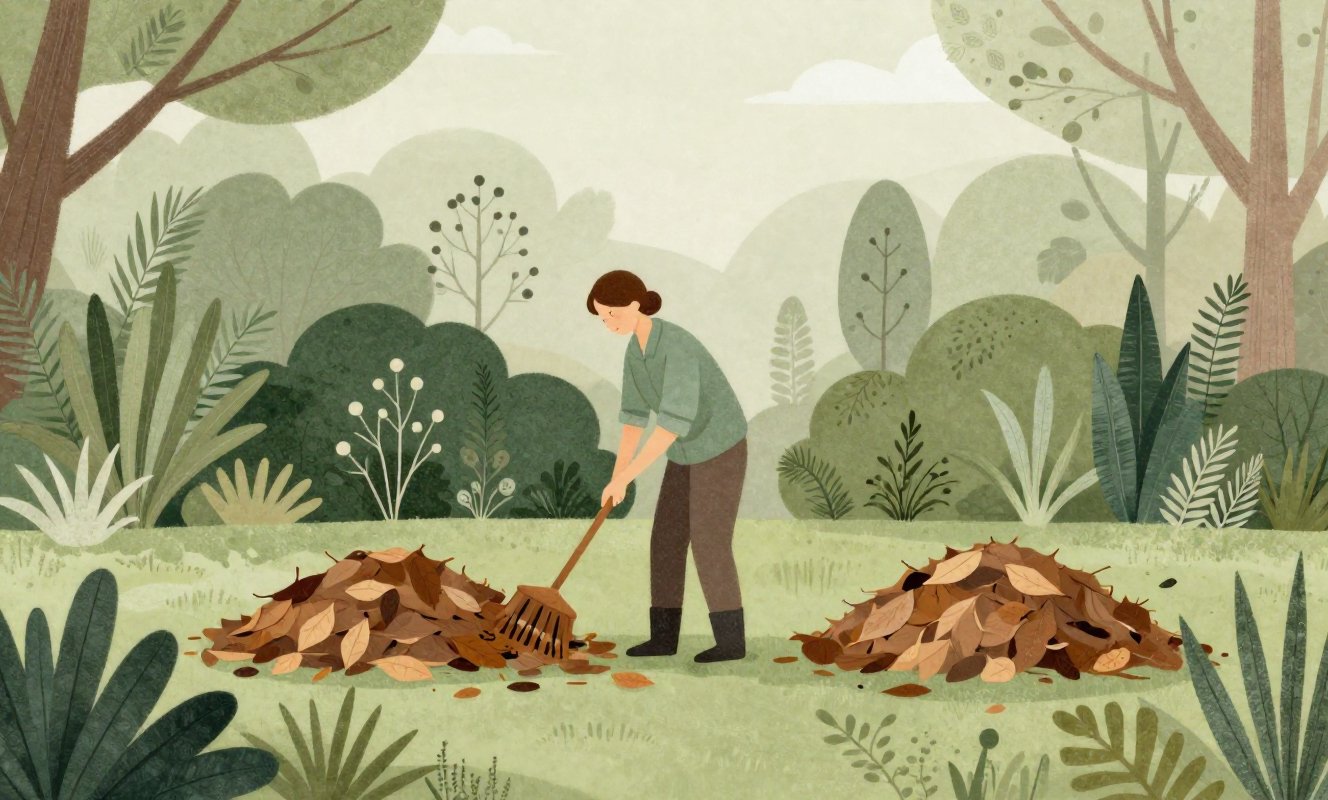
Don’t rake the leaves; mulch them instead! This feeds your grass important nutrients like nitrogen, which keeps it green and healthy until next spring. Instead of mowing grass, chop up the leaves so they can feed the lawn all winter.
As the leaves crunch under your feet and the first hints of winter chill the air, keep in mind that the work you do on your lawn in the fall will pay off in a bright future.
There are more than 80 million lawns in the US that are soaking up those last rays. Your lawn can stand out as a sign of careful stewardship, saving you time, money, and the trouble of spring surprises.
You’re not just keeping the grass alive; you’re also caring for an ecosystem that will bounce back with beautiful green in April if you time your last mow just right, aerate, fertilize, and manage the leaves like a pro.
Put the mower grass away, sip on that pumpkin spice, and give yourself a pat on the back; you’ve made your lawn immaculate. Here’s to a healthy lawn and happier holidays.