Mindful Fall Garden Cleanup Tips To Protect Local Wildlife
- December 24, 2025
- 0
As the leaves turn golden and the weather gets colder, a lot of gardeners grab their rakes and pruners and get ready for winter. But what if your



9621 Agnes Crossing, Lake Suzanneview, New Mexico Island 84604-9295.
As the leaves turn golden and the weather gets colder, a lot of gardeners grab their rakes and pruners and get ready for winter. But what if your
As the leaves turn golden and the weather gets colder, a lot of gardeners grab their rakes and pruners and get ready for winter. But what if your fall garden cleanup might turn your yard into a busy safe haven for local animals?
Think about how butterflies, birds, and bees would all do well because of the choices you made. Butterflies would be cocooned in leaf litter, birds would eat seed heads, and bees would nest in hollow stems.
As the growing season comes to an end, it’s easy to want to clean up every bed and bag up all the leaves.
Cleaning up your garden in the fall can help keep things tidy and lower the risk of disease. But there are also major benefits to keeping some portions of it “as is” during the winter.
The proper amount of balance depends on the plants you have, the weather, and how much help you want to give wildlife.
Don’t know where to start? You can be sure to get all the key things done with our Fall Garden Cleanup Checklist.
Mindful fall garden cleanup goes from harsh cleaning to harmonious care, leaving detritus as important supplies for wildlife. You can improve the soil and cut down on upkeep by leaving leaves, stems, and wood in situ. This will create habitats that support pollinators, birds, and other animals. This method not only helps local ecosystems, but it also makes a garden that is strong and beautiful all year long.
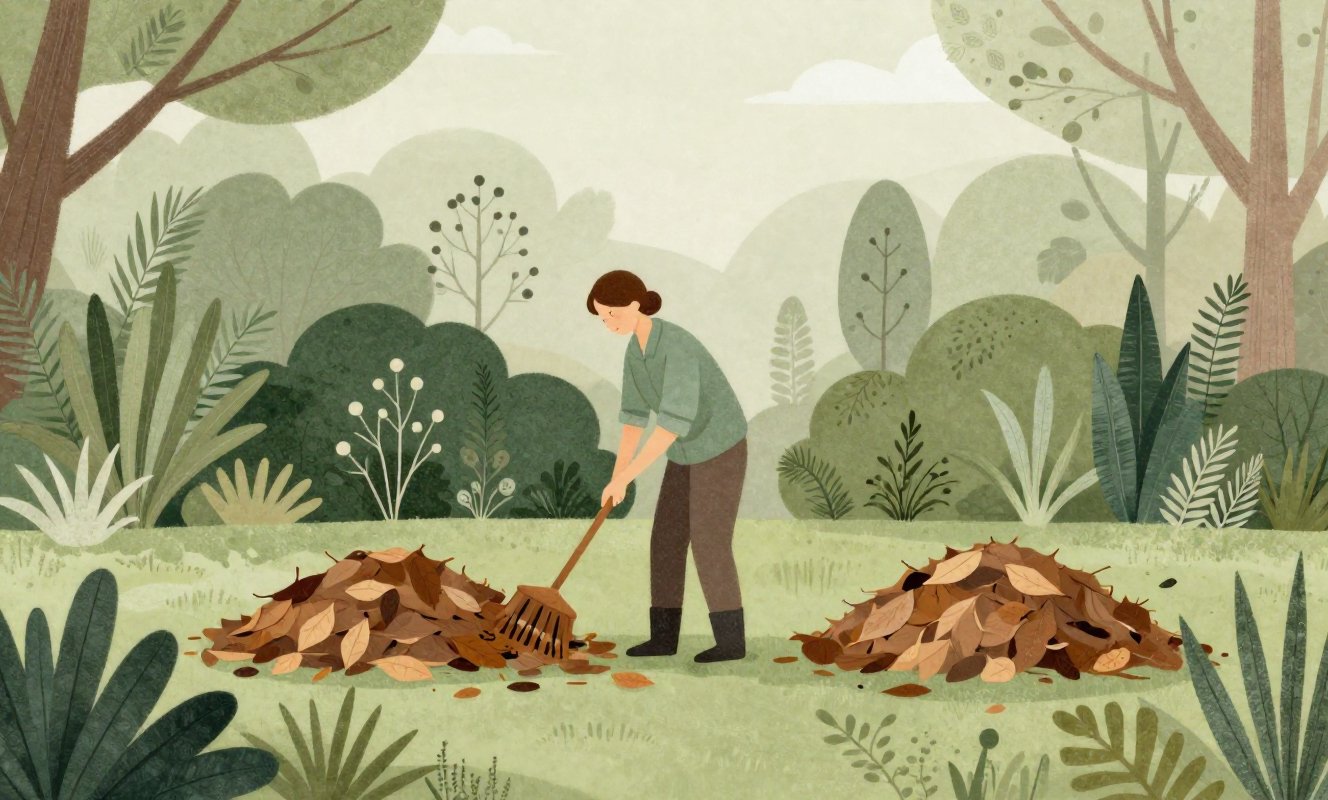
Fallen leaves may look like trash, yet they are very important to many animals:
It’s crucial to think about time and impact while cutting plants and bushes to make your landscape seem better:
During the colder months, dead wood and seed heads are very important for wildlife:
Wildlife can be at risk when the ground is bare:
If you’re cleaning up natural detritus, think about putting up shelters that are made for that purpose:
Pesticides and herbicides can hurt animals in the wild:
During a garden cleanup, animals that are hibernating are especially at risk:
To put it another way, you must never clean your garden fully. You generally witness the squirrels raking leaves and the chickadees sharpening their pruning shears at the same time.
Even though memes on the internet indicate otherwise, there is never a good time to clean up your garden. However, there are better ways to do it, which we will talk about.
It’s permitted to tidy up the garden in the spring when the air and/or soil temperatures are consistently over 10 degrees Celsius (50 degrees Fahrenheit).
This number is wrong since it doesn’t take into consideration that various insects have distinct life cycles and become active at different periods of the year.
As the autumn leaves fall and winter whispers its arrival, remember that your garden cleanup is more than simply a patch of dirt; it’s a living tapestry made up of the lives of many creatures.
By following these attentive housekeeping measures, you are not only protecting pollinators, birds, and helpful insects, but you are also creating a strong refuge that blossoms brighter every spring.
Picture the symphony of life coming back in full force: buzzing bees, chirping fledglings, and bright flowers, all because of the little things you do to take care of them.
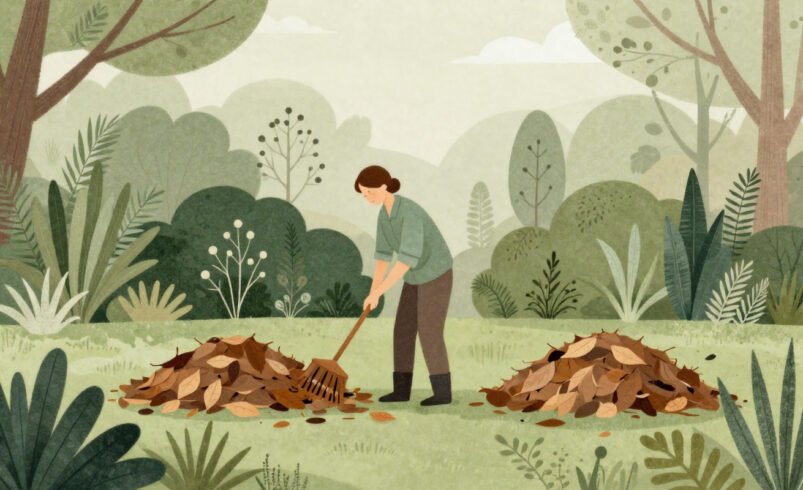
It’s time for you to make a difference now. This weekend, put on your gloves and turn your yard into a wildlife utopia by raking leaves into mulch or making a comfortable brush pile.