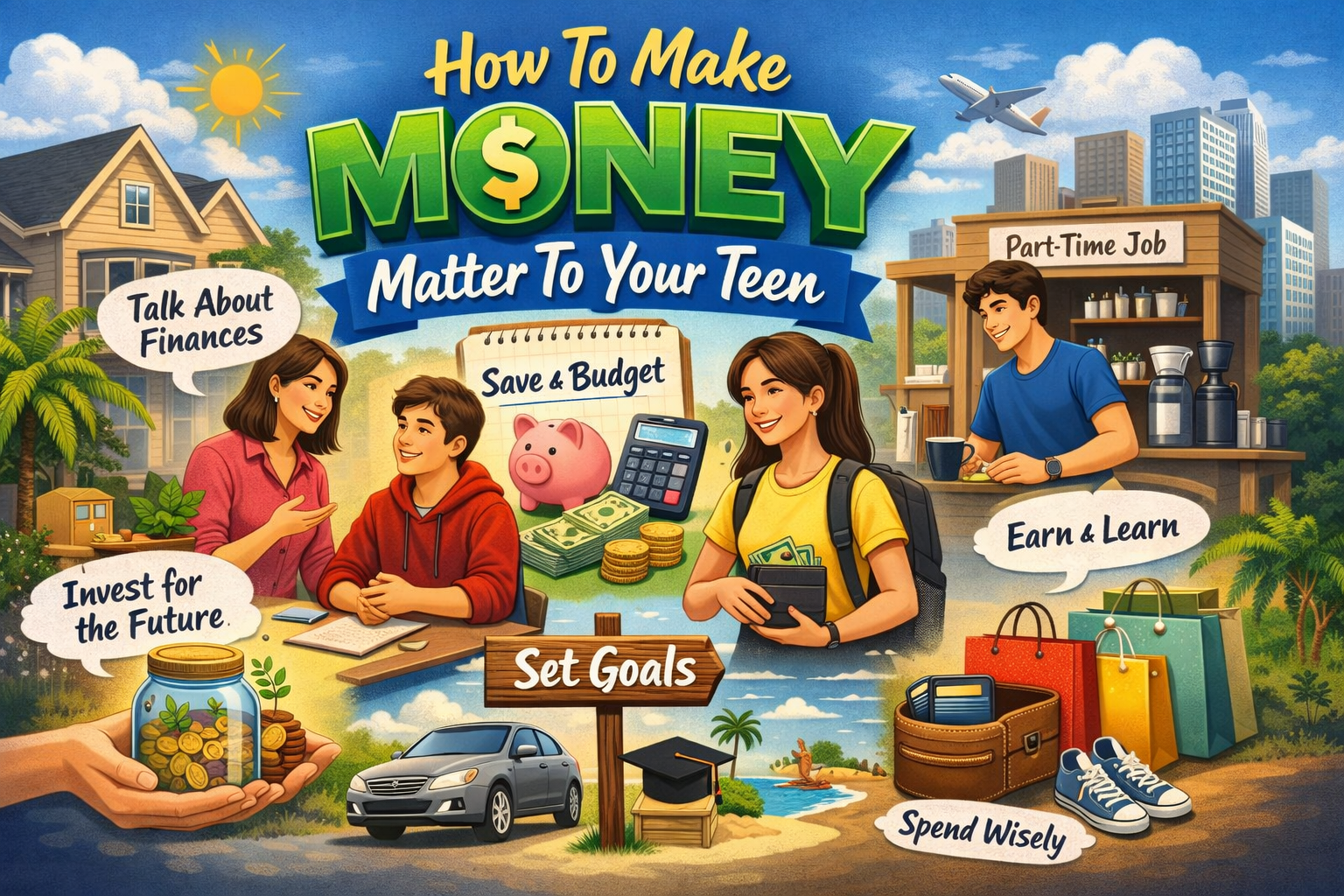

How To Make Money Matter To Your Teen
- January 1, 2026
- 0
Teens need to know how to manage their money more than ever before in this modern society. A large portion of the American youth owes more than $1



9621 Agnes Crossing, Lake Suzanneview, New Mexico Island 84604-9295.
Teens need to know how to manage their money more than ever before in this modern society. A large portion of the American youth owes more than $1

Teens need to know how to manage their money more than ever before in this modern society. A large portion of the American youth owes more than $1 trillion in debt, and many of them are already struggling to make ends meet as they enter adulthood.
Despite an increase in financial education classes, research shows that just 35% to 45% of youth feel confident in their financial literacy.
Because children learn more from seeing and talking about their families’ financial situations than they would in a classroom setting, parents play an essential role in helping to close this knowledge gap.
Assisting your adolescent in comprehending the worth of money, how to get it, prudently handle it, and put it to good use in pursuit of objectives is how you make it “matter” to them.
Not only does this help avoid financial problems in the future, but it also boosts self-assurance and autonomy. Discover an all-inclusive manual filled with useful advice and recommendations.
When it comes to handling their own finances, teenagers are in a formative stage.
Managing a part-time job, saving for a car, or paying for college are all examples of actual financial challenges that they will face as they start to earn their own money and make their own spending choices.
These are the best times to teach kids money management skills that will serve them well as adults. What teenagers do with their money now will determine how well they do financially in the future.
They will be better equipped to take advantage of adulthood’s opportunities and overcome its obstacles if they learn to manage their money wisely from a young age.
National Endowment for Financial Education research shows that just 24% of millennials have basic financial literacy, despite the fact that most young adults wish they had received more financial education when they were younger.
The best way for parents to bridge this gap is to lead by example, establish clear expectations, and make talking about money a natural part of family life.
Food, clothing, toys, games, and even savings for a bike or college can all be purchased with money. When children and teenagers learn about money at an early age, whether through an allowance, a piggy bank, or conversations with family, they learn to make wise decisions, such as creating a budget and not wasting money. It transforms money from a source of stress into a tool for a happy life by establishing habits of independence, stability, and dream achievement.
1. Show the Way
Watching you model good practices for teens to follow. Serve as an example of good habits by not buying things on impulse and sticking to a budget.
To normalise money talks, talk openly about your personal financial decisions, such as comparing costs or planning for significant purchases.
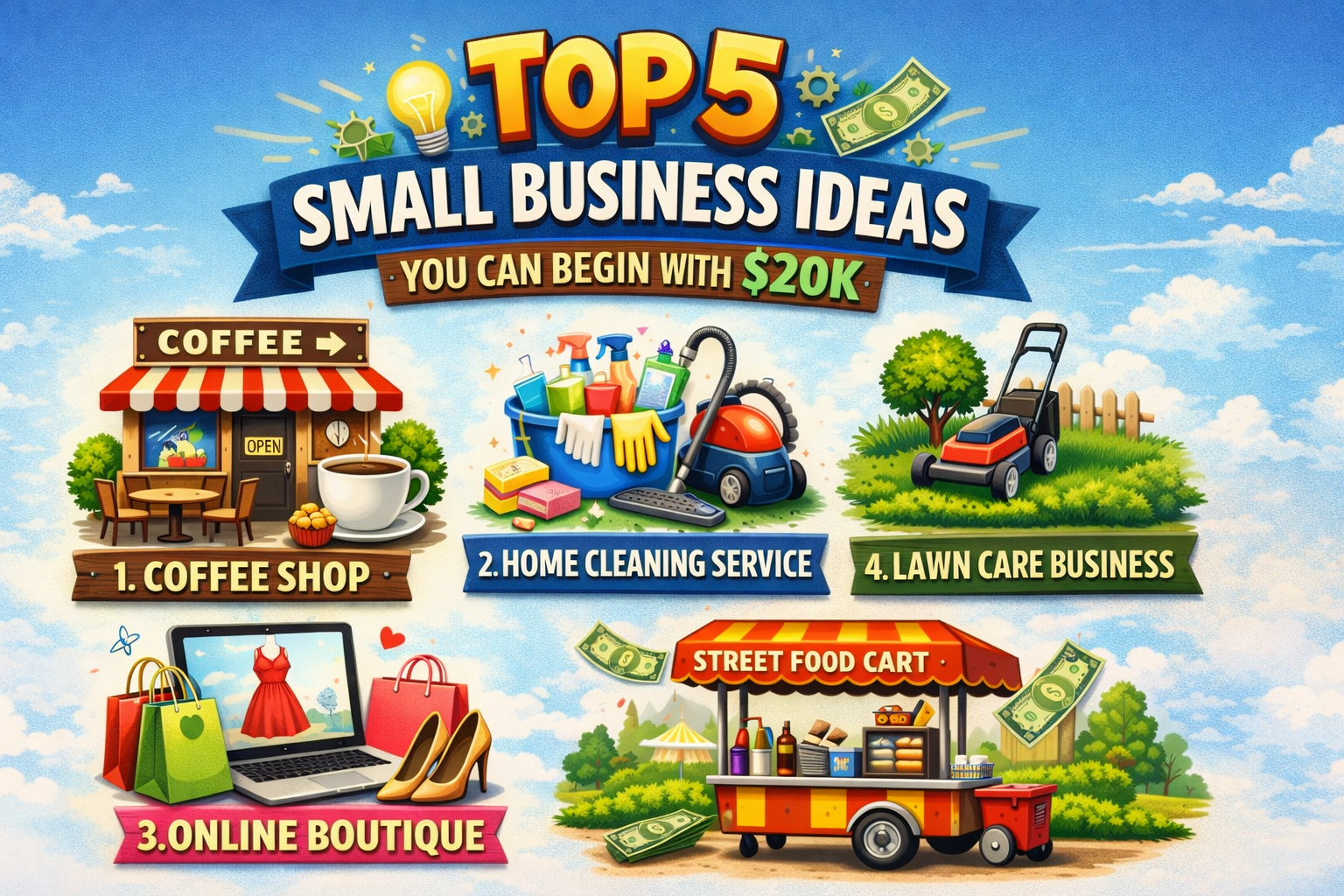
Working a second job or side hustle encourages you to put in extra time and effort. You can do things like babysit, mow the lawn, instruct, or get work online, making content.
Spending choices take on more significance when they earn their own money.
Collaborate by opening a checking and a savings account. Go over fees, interest, and debit cards vs. credit cards. Safe spending tracking tools exist, such as apps that parents can use.
Half should go towards necessities, thirty percent towards wants, and twenty percent towards savings.
Assist them in keeping track of their spending and differentiating between necessities and extravagant wants.
Holding “budget meetings” once a month helps keep everyone accountable.
You should aim to save between 10% and 20% of your income. Teens have time on their side, so use a compound interest calculator to demonstrate how little amounts build over time.
Different types of debt, such as student loans and credit card debt, are beneficial and harmful.
Make people aware of the dangers of high-interest traps and how critical it is to pay bills on time.
Join them in making philanthropic decisions. Donating demonstrates the greater good and encourages thankfulness.
The goal of teaching your adolescent about money matters is not perfection, but rather the development of skills that will serve them well throughout their lives.
You may help your children avoid typical financial traps like debt cycles and set themselves up for financial success in the future by setting a good example, modelling healthy behaviours, and encouraging them to earn and save.
Take baby steps now; good habits created now will grow over time, similar to their savings.
With your help, money can no longer be a constraint but rather a catalyst for personal growth and opportunity.