

Save For a Down Payment or Pay off Student Loans First
- December 26, 2025
- 0
Do not allow student loan debt to keep you from achieving your dream. If you have a student loan, you are not the only one. A reliable study



9621 Agnes Crossing, Lake Suzanneview, New Mexico Island 84604-9295.
Do not allow student loan debt to keep you from achieving your dream. If you have a student loan, you are not the only one. A reliable study

Do not allow student loan debt to keep you from achieving your dream. If you have a student loan, you are not the only one.
A reliable study suggests that if there is more than 1.44 trillion in financial loan debt across an counted 40 plus borrowers.
On the other hand, owning a home may provide a tremendous sense of pride and independence. However, if you have student loan debt, managing a down payment and a mortgage can be difficult.
Like many recent college graduates, you may desire to purchase your first house. This financial objective is considered a rite of passage for many people.
However, those with academic loan debt may be left wondering how their debt would affect their ability to purchase a home.
This article examines the important elements of student loans using current data and expert insights.
Student loan debt impacts roughly 42 million Americans, with an average federal balance of $39,000-$41,000 in 2025. Total debt is approximately $1.8 trillion.
At this point, homeownership remains a top priority, but high property prices and mortgage rates of roughly 6.2% (as of late December 2025) make down payments difficult.
On the contrary, Financial gurus from Experian, Investopedia, and SoFi concur that there is no uniform answer.
The decision is based on interest rates, debt-to-income ratio (DTI), housing market conditions, and personal objectives.
Moreover, many experts propose combining the two rather than focusing solely on one.
If you’ve figured out that you can pay off student loans while at the same time saving for a home.
Here are some pointers to help you emphasise both of these objectives at the exact same time.
A smart first step is to write down all of your current bills, such as student loans, vehicle loans, financial aid credit cards, and any other debt you may have.
Then, keep track of the interest rate, remaining debt, and minimum payment for each.
Next, you may wish to direct any extra funds to the loan with the higher interest rate while trying to pay the minimum on the others.
After that loan is settled, pay attention to the debt with the next highest interest rate, and so on.
Finally, paying off costly debt frees up money for a mortgage payment. Enhancing your DTI can help you qualify for a mortgage.
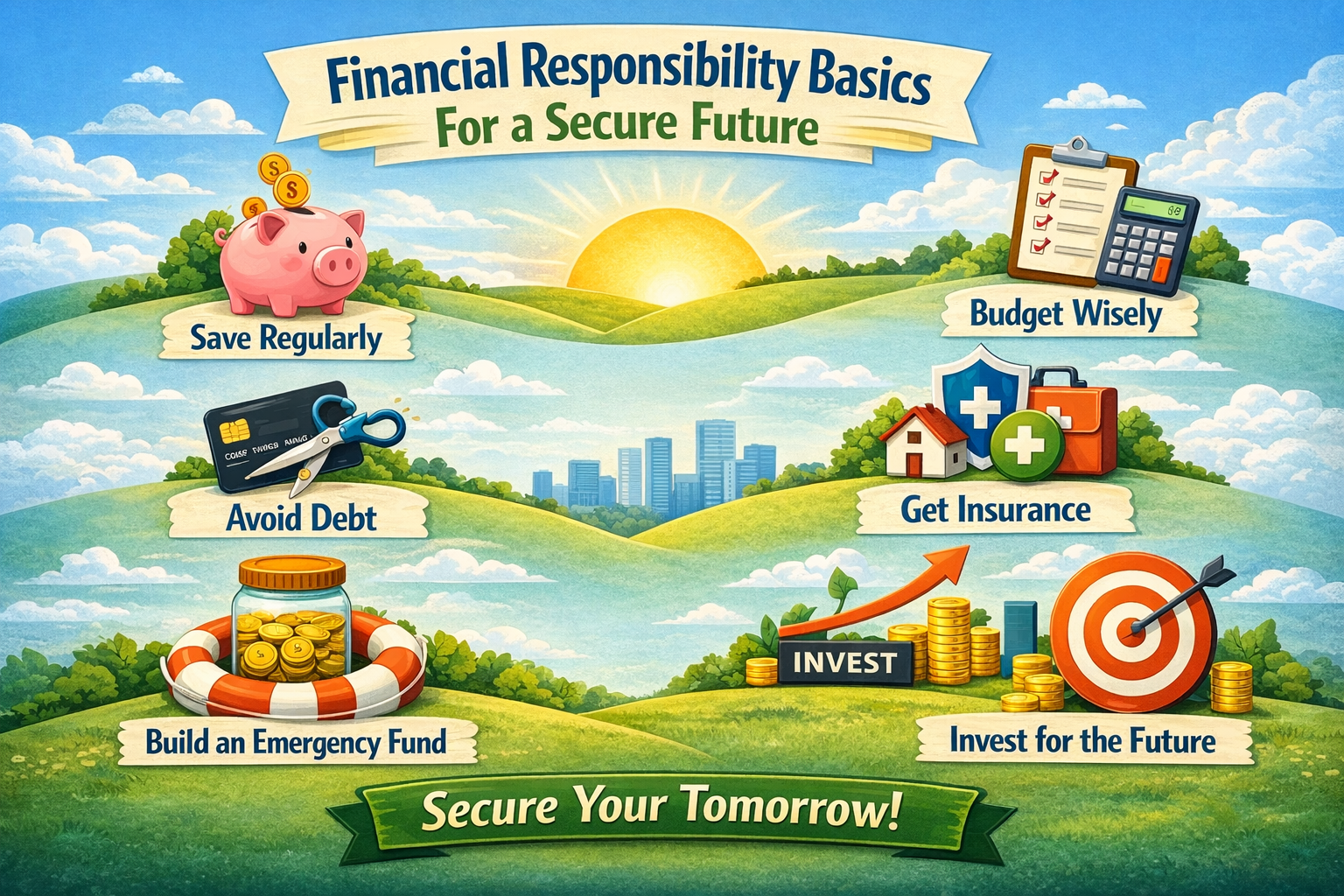
Now think about creating a high-yield savings account just for your down payment and other costs associated with purchasing a property.
In addition, you can monitor your progress and make sure you won’t use the money for other purposes by doing this.
The more you can put down on a property, the less you’ll have to borrow.
A substantial down payment can also help you qualify for a reduced interest rate on a mortgage, resulting in cheaper monthly payments.
Hence, these suggestions will help you save for a down payment more quickly.
First of all, set up an automated transfer from checking to savings every month, just after you are paid.
This can help you adjust to managing living expenses with what appears to be a reduced pay cheque while actually developing your personal savings.
If you receive a lump sum payout, such as a tax return, gift check, or work bonus, think about putting it straight into your down payment savings account.
This will enable you to reach your down payment objective more quickly.
You should examine your monthly spending to find areas where you may make savings.
Also, you may choose to cut the cable cord, cook a couple more times a week to save money on takeaway, or give up a streaming service you don’t often use.
You can now put any money you have left over into savings.
You can save money from a part-time job or a freelance job, which can help you accomplish your objective more quickly.
You might also think about volunteering, working extra hours, or requesting a raise at your existing position.
💡 Quick Tip: Seeking a refinancing lender who provides extras may be advantageous. For example, SoFi members are eligible for rate reductions and free access to networking events, financial counsellors, and other services.
A balanced approach is ideal for many. Think of a plan where you:
Student loans mainly affect DTI approval:
Many people will be eligible for FHA or traditional loans in 2025 if they have student debt. Although it’s not always necessary, paying off debt increases chances.
Access your student loan rate against prospective mortgage yields.
Federal student loans are approximately 6.4%, while graduate loans are around 8%. Private loans are sometimes higher.
Finally, neither choice is necessarily “better”; it depends on your situation. If your student loans have high interest rates (>7%) or are straining your budget, consider paying them off first for interest savings and a simpler mortgage qualification.
If interest rates are manageable and you want to grow equity as affordability improves (incomes will rise faster than prices by late 2025), focus on saving while making minimal payments.
You need to run the numbers. Calculate the total interest on loans vs the prospective home equity increase. For personalised advice, consult with a financial professional.
Many people achieve both by budgeting properly and utilising programs such as first-time buyer aid or student debt refinancing. So, with discipline, you may pay off debt and own a home without giving up one for the other.