Static Is the New Streaming: Why Americans Are Tuning Into the World's Tiny Stations
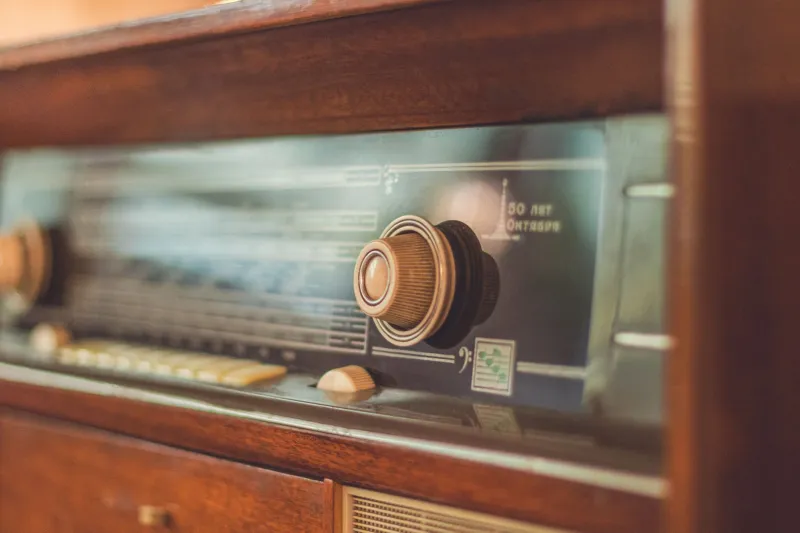
For years, the promise of streaming was simple: more choice, better recommendations, a personalized soundtrack for every mood. In 2026, a growing number of Americans are rejecting the curated feed for something stranger and more human: a crackly foreign station, a community broadcast from a town they've never visited, or a livestreamed local show with five listeners and one very committed host. The appeal isn't high fidelity. It's the absence of an algorithm trying to predict what they want next.
The Viral Moment That Made Static Cool
The shift got a visibility boost in 2026 when a clip circulated of a late-night community radio host reading listener messages from around the world. It wasn't a celebrity interview or a scandal. It was ordinary. A person in a small studio, a phone line, a weather report, a song that didn't quite fit. That ordinariness became the hook. Viewers didn't just watch; they started tuning in to stations of their own—some from cities they'd visited, others from places they couldn't point to on a map.
Call it the anti-algorithm moment. The feed had become too good at giving people what they already liked. Radio, especially small radio, still has edges: dead air, local ads, a host who mispronounces a name, a call-in about a blocked road. Those edges feel like proof that something real is happening somewhere else.
Why Algorithmic Sameness Is Exhausting
Personalization was supposed to feel like magic. Instead, for many listeners, it started to feel like a mirror. The playlist learns you, then flattens you. The same three songs, the same podcast recommendations, the same 'for you' shelf. It is convenient, but convenience can curdle into sameness. The pleasure of radio is the accidental discovery—the song you wouldn't have chosen, the voice you didn't know you needed, the local news that has nothing to do with your life and therefore feels oddly refreshing.
There is also the matter of attention. A playlist can be skipped. A live broadcast cannot be skimmed in the same way. You either sit with it or you don't. That slight friction is part of the appeal. It asks for a little patience and gives back a sense of place.
The Tiny-Station Boom
The trend is visible in global radio directories, station apps, smart speakers, and the scruffier corners of the internet. Low-power FM stations, college radio, and community broadcasters in the US are finding new online audiences. So are foreign stations that stream their daily programming—school closings, call-in shows, local politics, music blocks, and the kind of slow conversation that doesn't fit a podcast format.
Americans are listening during work, on commutes, and late at night. Time zones turn it into ambient theater. A morning show from another continent can become a background companion during a US evening. For diaspora listeners, the connection is personal. For others, it's curiosity—a way to eavesdrop on ordinary life without booking a flight.
A Window Into Ordinary Life
Listeners describe the appeal in small terms. A market report from a city they'll never visit. A call-in about a blocked road. A dedications hour. A host who sounds like they've known the audience for decades. It isn't tourism exactly. It's ambient company, with a side of context.
That context matters. Radio can carry local bias, ads, and political messaging. It is not automatically more authentic than a playlist just because it's live. The trend is not a mass replacement for streaming, either. Language barriers, poor audio, and dead air are real. But for a certain kind of listener in 2026, the imperfections are the point. They signal that the audio wasn't built to please them specifically.
How to Tune In Without Being a Tourist
Start with a station from a place you're genuinely curious about. Listen for 20 minutes without skipping. Learn a few words. Don't treat another country's crisis as background noise. Use public station directories, community radio apps, and livestreams. If you find a tiny station you love, donate if you can. And accept that you will sometimes be bored. Boredom is part of the contract.
The anti-algorithm radio shift isn't really about radio. It's about wanting a door instead of a mirror. A playlist reflects you back; a station from somewhere else lets you eavesdrop on a world that doesn't revolve around your preferences. In 2026, that might be the most luxurious entertainment of all: something you didn't ask for.