Bring a Dish, Bring a Country: The Block Potluck Rewriting American Neighborliness
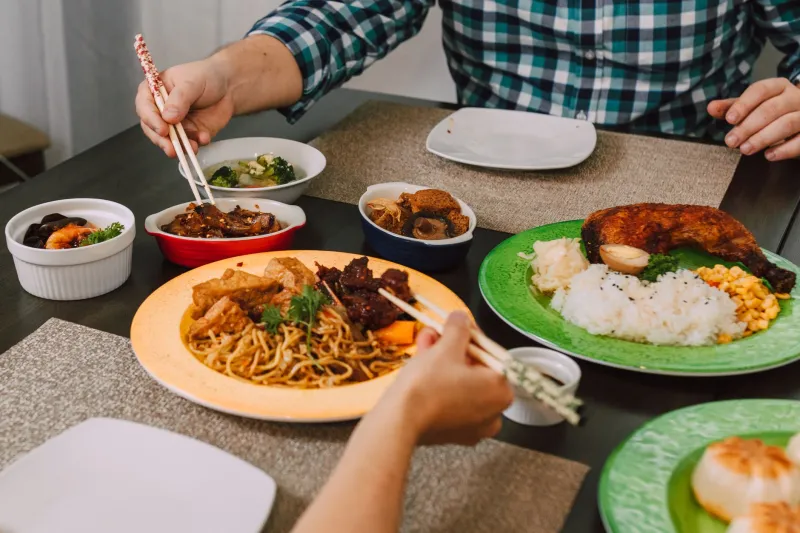
On a cool Friday last month, a folding table in a Columbus, Ohio, driveway held the kind of spread that would make a catering manager nervous: a chafing dish of biryani, a bowl of pierogi, a tray of arepas, a suspiciously large pan of mac and cheese, and a stack of paper plates bowing in the breeze. Nobody was hosting a formal dinner. Nobody had matched napkins. The sign-up sheet taped to the garage said it all: “Bring a dish from a country that isn’t yours. Or one that is. Just bring a story.”
That is the global potluck in a nutshell. The host picks a date, sends a group-chat invitation, and asks each household to claim a country or region on a shared spreadsheet. Guests bring one dish, a serving spoon, and—if they feel like it—a two-sentence explanation of where the recipe comes from. The rules are loose. The etiquette is not.
Why the Dinner Party Got a Little Less Stiff
The traditional dinner party has always carried a whiff of performance: matching chairs, a clean house, a main course that needs to land at exactly the right minute. The global potluck strips most of that away. It gives people a reason to gather without asking anyone to be a perfect host or a confident cook.
“I have friends who will not host a dinner party, but they will absolutely bring a pot of dal to a driveway,” says a community organizer in Chicago who helps run monthly building-wide suppers. “The barrier is lower. You are not inviting people into your whole house. You are inviting them into your dish.”
In 2026, that low-pressure math is appealing. Grocery stores carry more international staples than they did a decade ago. Recipe videos make it easier to attempt a new dish—or to find a good frozen version and own it. And after years of social feeds full of curated tablescapes, there is something refreshing about a paper plate and a sharpie label.
The Format Is New. The Instinct Is Not.
Global potlucks are spreading through apartment complexes, block clubs, church halls, and school parent groups, but the underlying habit is old. Immigrant-led communities have long used shared tables to build networks, celebrate holidays, and feed people who are new in town. The wider potluck trend is less an invention than an invitation.
In Minneapolis, Somali-American families have built community suppers around sambusa, spiced rice, and sweet corn from a nearby farm stand. In Houston, Vietnamese-American grandparents swap spring-roll duty with neighbors who bring brisket. In Queens, a single potluck can run from Trinidadian doubles to Ukrainian varenyky without anyone leaving the block. These gatherings are not performances of “international food.” They are ordinary neighborliness with a wider pantry.
That distinction matters. A good global potluck does not treat a guest’s family recipe as a tourist attraction. The dish card is not a label at a museum. It is a small handshake.
Hosting Tips That Actually Keep It Simple
- Invite 8 to 14 people. Big enough to feel like a party, small enough that one table works.
- Assign regions, not countries. “West Africa,” “the Balkans,” “South Asia,” or “your grandmother’s kitchen” leaves room for people who are not sure what to claim.
- Make store-bought acceptable. Say it in the invite: cooking is optional. A bakery empanada and a jar of good pickles count.
- Ask for serving utensils. This is the number-one potluck bottleneck. A beautiful dish with no spoon is a sad sculpture.
- Use dish cards. Name the dish, the region, and any major allergens. Add one line about why the guest chose it.
- Provide labels and pens. Masking tape works. So does a stack of index cards.
- Mix the seating. Do not let the neighbors who already know each other cluster in the kitchen. Assign seats or gently shuffle after the first plate.
- Have a backup staple. Rice, bread, or a big salad saves the day if three people bring dessert.
- Send people home with containers. Leftovers are part of the social contract.
The New Neighborhood Icebreaker
The global potluck is not going to solve every lonely block or replace deep friendship. It is a starter, not a finish line. But it does something practical: it gives neighbors a reason to learn one another’s names before a crisis or a block-party planning meeting forces the issue.
And in 2026, that small ritual is spreading for a simple reason. It asks very little and gives back a lot. You do not need a dining room. You do not need a theme. You need a table, a sign-up sheet, and the willingness to let somebody else’s family recipe sit next to your mac and cheese.