One Room, Whole Worlds: The Micro-Museum Wave Coming to a Main Street Near You
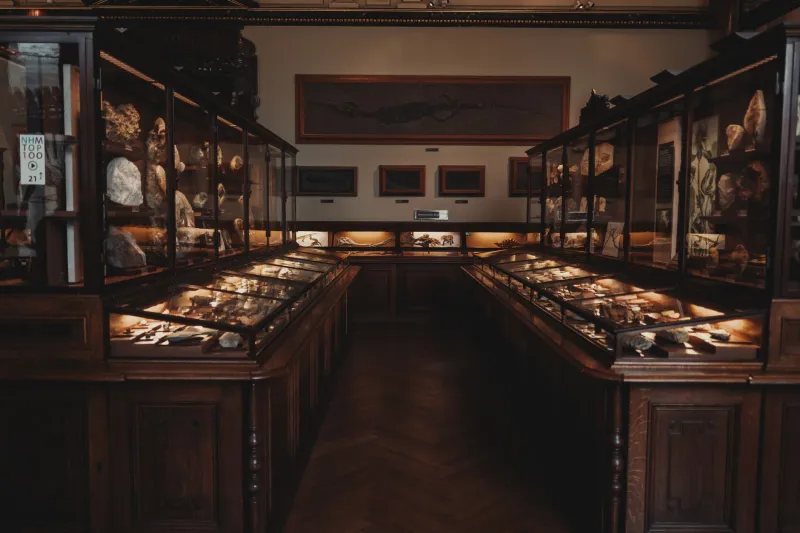
The first thing you notice is how fast you're done. Four minutes, maybe six. You walk in, you look at everything, you walk out — and then you stand on the sidewalk thinking about it for the rest of the afternoon. That's the deal a micro-museum offers, and it's why the format keeps spreading. Somewhere between a roadside attraction and a serious collection, these one-room operations are turning curiosity into a local habit, and American towns are starting to notice.
The Case for Going Small
Big museums ask for a day. Micro-museums ask for the time it takes to drink a coffee. That's not a downgrade — it's a different transaction. Because the space is tiny, every object in it had to earn its spot. You feel that. There's no filler room, no wing you skip on the way to the gift shop.
There's also a person behind it. Almost always, there's a founder who will talk to you, because they're standing right there and the whole thing fits in one room. Try getting that at a national institution on a Saturday.
Phone Booths, Peepholes, and Elevator Shafts
The rest of the world has been at this a while. Zagreb's Museum of Broken Relationships started as a traveling collection of donated mementos and grew into something people plan trips around — proof that a theme can be small and universal at the same time. In Japan, one-room galleries tucked into residential buildings are a normal part of an afternoon walk. Elsewhere, converted phone booths hold single-object displays, and peephole installations let you view a miniature scene without ever entering the building.
Closer to home, the eccentric small museum has a long tradition. Los Angeles has its Museum of Jurassic Technology, a gloriously strange collection that has been quietly bending visitors' brains for decades. New York's Mmuseumm — essentially a freight elevator shaft in lower Manhattan — has been showing tiny themed exhibits since 2012 and remains one of the most photographed four square feet in the city.
Why US Towns Are Catching On
Three forces are pushing the model into smaller American communities.
Empty storefronts. A landlord with a vacant shop on Main Street will often say yes to a short-term cultural use that brings foot traffic. A micro-museum can fill a gap between leases and make a block feel alive again.
Cheap overhead. No climate-controlled wing, no security staff, no parking structure. A one-room exhibit can run on donations, a volunteer roster, and a modest grant from a local arts council.
The staycation economy. People are hunting for small, specific reasons to leave the house on a Sunday. A museum that takes six minutes and costs five dollars is an easy yes, especially when there's a bakery two doors down.
Libraries are getting in on it too, installing display cases and "museum in a box" kits that circulate like books. Historical societies with more artifacts than space are rotating small exhibits instead of storing everything indefinitely.
What Makes One Actually Work
Not every closet with a signed baseball in it qualifies. The ones that stick tend to share a few traits.
A single, sharp theme. "Buttons of the American Midwest, 1890–1960" beats "Local History" every time. Specificity is the whole product.
Labels under 75 words. You have a captive audience for a handful of minutes. Respect it.
Deliberate lighting. Even LED strip lights and a couple of well-placed spots can make a case of objects look intentional rather than accidental.
A rotation schedule. Change the display every four to six months and you give people a reason to come back — which is the entire business model.
Somewhere to sit. A bench outside counts. Micro-museums that feel like errands die; ones that feel like a pause in your walk survive.
How to Visit One
Start local. Search your county historical society, your library's events page, and any downtown arts organization — that's where these things hide. Hours are often strange and posted on Instagram, so check before you drive. Many are appointment-only, which sounds intimidating and usually isn't; a text message will get you in.
Bring small bills for the donation jar. Sign the guestbook, because founders genuinely use it to justify grants. Ask the person running it what the weirdest object in the collection is. That question has never failed.
How to Start One
If you've got an idea, the practical path is shorter than you'd expect.
Talk to your library or a local business about a corner or a window. Choose a theme narrow enough to fit on a postcard. Borrow rather than buy — neighbors own incredible things, and a simple loan form plus a photo log protects everyone. Check your insurance situation before you display anything irreplaceable, and be honest about accessibility; a micro-museum should not require stairs if you can help it.
Then open for four hours a week and see who shows up. The people who come will tell you what the collection should be. That's how nearly every one of these starts — someone with a spare room, a stubborn interest, and a hand-painted sign. Six minutes of a stranger's attention is all they're asking for. It turns out that's enough to build something.