Stamped With Intent: The Slow-Social Rise of the Postcard Swap
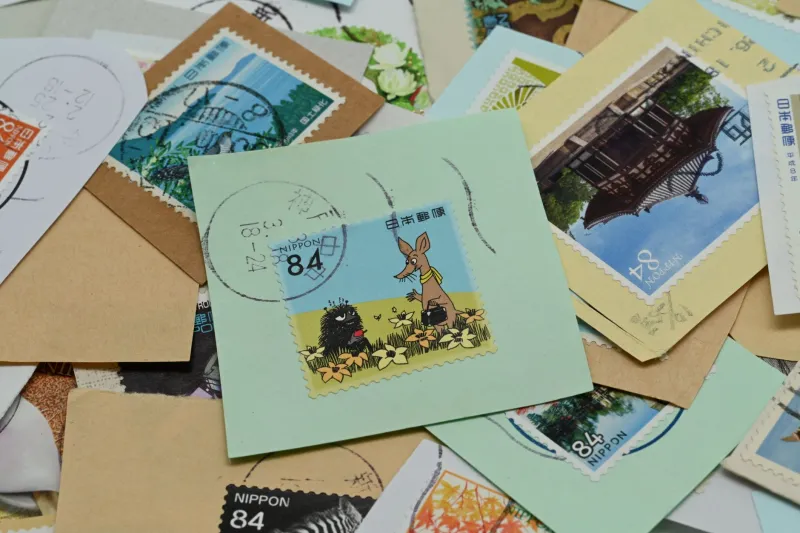
The first thing you notice is not the message. It is the texture. A card from Tokyo arrives with a train stamp and a smudged postmark. Another from Lisbon has a coffee ring near the corner. One from a retired schoolteacher in Ohio includes a handwritten list of the best diners between Columbus and Cleveland. None of it is urgent. All of it feels oddly valuable.
That is the quiet appeal of the postcard swap in 2026. It is not a platform. It is not a feed. It is a small, deliberate exchange between strangers who agree to slow down long enough to write something by hand, find a stamp, and trust the mail.
The counter-network in your mailbox
Postcard swapping has been around for as long as postcards have existed, but the modern version looks a little different. Communities like Postcrossing, which has been connecting international mailers for more than two decades, let members send cards to random addresses around the world and receive them from other members in return. Swap-Bot and various themed groups add structure: swap recipes, local landmarks, book recommendations, or handmade cards. Subreddits and Facebook groups fill in the gaps for people who want something less formal and more conversational.
The result is a loose global network that runs on paper, postage, and patience. It is not trying to replace group chats or social media. If anything, it works because it does not compete with them. There is no algorithm deciding whose card you see. There is no read receipt. There is no pressure to post a photo of the card before you have even finished reading it.
In a year when so much of online life feels optimized, ranked, and sped up, a postcard is almost rebellious in its inefficiency. It takes days or weeks to arrive. It can get lost. The handwriting might be terrible. That is part of the point.
Why paper is having a moment
Call it algorithmic fatigue, call it a tactile craving, call it the natural next step after years of voice notes and group chats. The appeal of analog correspondence is not really about rejecting technology. Most postcard swappers found their communities online in the first place. The appeal is in the constraint.
A postcard gives you roughly four by six inches and a finite amount of space. You cannot ramble. You cannot attach a playlist. You have to choose one thing to say. That limitation makes the message feel more considered, even when it is silly. A card that reads, Saw a raccoon wearing a tiny hat and thought of you, can carry more warmth than a dozen emoji reactions.
The format also has a built-in sense of place. A postcard is a physical artifact from somewhere else. It carries a postmark, a stamp, sometimes a crease from the sorting machine. It proves that a person stood in a specific spot, thought of a specific someone, and handed the whole thing over to a system they do not control.
The communities keeping stamps in business
The global swap scene is broader than it first appears. Postcrossing remains the best-known entry point, with a simple premise: send a card, get a card. Swap-Bot caters to people who like themes and deadlines, with swaps organized around everything from vintage postcards to local folklore. Smaller groups form around specific interests, like national parks, bookstore recommendations, or handmade mail art.
Then there are the offline pockets. Libraries in mid-size cities have started hosting mail-art nights. Craft stores sell postcard blanks next to the washi tape. Some coffee shops keep a basket of free postcards near the register, a small invitation to send something to someone. The scale is modest, but the energy is real. This is not a mainstream boom so much as a steady, word-of-mouth hum.
What ties these groups together is a shared etiquette. People expect a certain level of care: write legibly, use enough postage, include a return address if you want a reply, and do not treat the exchange like a content farm. The best swappers are not the ones with the most elaborate cards. They are the ones who actually write something.
A practical starter guide
If you want to try it, start smaller than you think you should. One or two swaps are enough to learn the rhythm. Here is a simple way in.
Pick a platform that matches your energy. Postcrossing is ideal for random international exchanges. Swap-Bot works well if you like themed swaps and clear deadlines. Local library boards, craft groups, and niche forums can be great for lower-stakes, regional exchanges.
Buy the right postage before you commit. In the US, domestic postcards and international mail use different rates. Ask at your local post office or check the current USPS guidance for postcard stamps and Global Forever stamps. Do not guess, especially for international cards.
Write like a person, not a profile. You do not need a life story. Mention what you can see out the window, a local food you love, a book you are reading, or why you picked that particular card. Specific beats impressive.
Protect your privacy. Use a PO box or a trusted mailing address if you are uncomfortable sharing your home address. Keep personal details vague until you have built trust. Most swap communities have safety guidelines; read them.
Keep a small log. Snap a photo of each card you send and receive. International mail can take weeks, and a simple log helps you track what is in transit and what has arrived.
Be patient. The mail is not instant. That is the feature, not the bug.
The point is not nostalgia
It would be easy to frame the postcard revival as nostalgia, a soft-focus return to a time before notifications. But that undersells what is happening. The people sending cards in 2026 are not trying to live in the past. They are trying to make room for a kind of connection that does not demand constant attention.
A postcard does not ask you to respond immediately. It does not know whether you are online. It sits in a mailbox until you find it. In a world of endless inputs, that is a rare thing: a message that waits.
So maybe the most unexpected social network of 2026 is not a network at all. It is a stack of cards on a hallway table, a book of stamps, and a stranger in another city who took five minutes to write something by hand. The mailbox, it turns out, still has a pulse.