Berths, Not Boarding Groups: The Overnight Train Finds a New Generation
There is a particular kind of travel thrill that does not involve a boarding group, a baggage carousel, or a middle seat that reclines into your kneecaps. It happens on a platform at dusk, suitcase in hand, when a train rolls in with beds inside it. You get on. You wake up somewhere else. In 2026, that old idea is feeling new again.
Overnight trains are enjoying a quiet comeback, especially among American travelers who are tired of treating every trip like a logistics puzzle. New and expanded sleeper routes in Europe have helped, as have the stubborn appeal of night trains in Asia and the slow-travel mood that has been building for a few years now. The pitch is simple: skip the airport, skip the hotel, and let the miles happen while you sleep. The reality is a little messier, but often more memorable.
The romance is real, but it is not the whole story
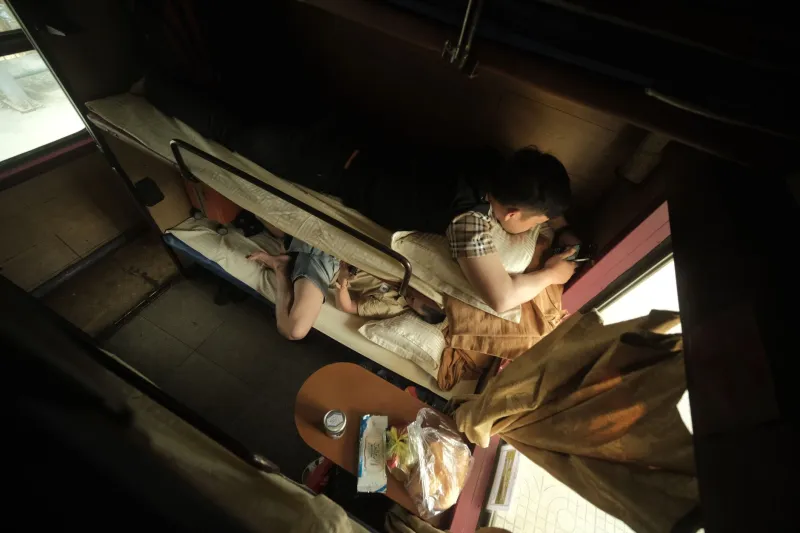
Let’s get the postcard version out of the way. A night train can feel like a small, moving hotel with a built-in sense of occasion. There is something pleasantly old-fashioned about watching the countryside blur into darkness, eating a snack from a paper bag, and unfolding a blanket that has definitely seen things. For travelers used to short-haul flights that cost more in stress than they save in time, a bunk bed on wheels can sound like a bargain.
That is especially true in Europe, where the sleeper network has been steadily expanding after years of decline. Routes that connect major cities overnight are being marketed less as a quirky alternative and more as a practical way to save a hotel night and a travel day. In Asia, overnight rail has long been part of the travel rhythm, from capsule-style sleepers to more traditional compartments, and it continues to draw visitors who want the journey to count for something.
For Americans, the appeal is partly practical and partly psychological. Domestic flights are short enough that a red-eye often feels like a bad trade. A train, by contrast, turns the travel day into part of the trip. You are not just getting from point A to point B. You are having a small adventure with a schedule.
What booking actually looks like
The first rule of night trains is to book earlier than you think. Sleeper cabins are limited, and the good ones—private compartments, rooms with showers, anything that does not require you to climb a ladder in the dark—go first. If you are traveling in peak summer or around holidays, waiting until the last minute is a recipe for a seat, not a bed.
Second, read the fine print about what kind of accommodation you are getting. “Sleeper” can mean many things: a reclining seat, a shared couchette with four or six bunks, a private compartment, or a full cabin with its own washbasin. The price gap is real, and so is the comfort gap. For a first-timer, a private compartment or a higher-end shared sleeper is usually worth the splurge. For budget travelers, a couchette can be perfectly fine—provided you know you will be sharing a small space with strangers and your luggage will be living under your knees.
Third, think about arrival time. A train that drops you at 6:15 a.m. is not doing you a favor if your hotel check-in is at 3 p.m. Many night trains arrive early, and station neighborhoods can be quiet before coffee shops open. Build in a plan for that first hour: a breakfast spot, a luggage locker, a slow walk, or a day room. The romance of rolling into a new city fades fast if you are hauling a suitcase around before sunrise.
Cabin culture is its own etiquette test
Night trains are shared space, even when you have a private room. In a couchette, the social contract is simple: keep your stuff contained, keep your voice low, and do not treat the cabin like a hostel common room at 1 a.m. People are trying to sleep, and the walls are thin enough that every zipper sounds like a small alarm.
A few practical moves help. Pack a small overnight bag so you are not excavating a full suitcase in the aisle. Bring earplugs, an eye mask, and a refillable water bottle. Wear layers, because train temperature can swing from stuffy to chilly without warning. And charge your devices before you board if your cabin does not have an outlet—or bring a power bank, because the outlet situation is not always as generous as the brochure suggests.
There is also the matter of shoes. Take them off in your bunk area, but keep them accessible. Nobody wants to be the person climbing down a ladder in the dark searching for a sneaker.
The reality check: delays happen
Here is the part the glossy travel posts tend to skip. Night trains are not immune to the same problems as any other rail service. Delays happen. Track work happens. A train that is supposed to arrive at 8 a.m. can slide into 10 a.m. with little warning, and your carefully planned morning museum slot can evaporate. If you are connecting to a flight or a fixed tour, leave a generous buffer. If you are on a tight schedule, a night train may not be your best friend.
There is also the comfort question. Sleeping on a moving train is not the same as sleeping in a bed that stays still. Some people drop off immediately; others lie awake listening to every clack and sway. If you are a light sleeper, book the best cabin you can afford and lower your expectations for deep rest. The goal is not a perfect night’s sleep. The goal is a good story and a useful head start on the day.
Why it fits the moment
Night trains are not replacing flights anytime soon, and they are not for every trip. But they fit a travel mood that has been growing in the US: less rushing, more texture, fewer screens and more windows. They also offer something that airports have largely engineered out of the experience—a sense of distance. You feel the trip happen. You hear it. You wake up in a different place with the curtains pulled back and the world already moving.
For travelers planning 2026 trips, the overnight train is less a novelty than a smart option to keep in the mix. Book early, choose your cabin carefully, pack like a person who respects shared space, and leave room for the schedule to wobble. The postcard version may not survive contact with reality, but the real version—slightly rumpled, a little delayed, and full of small encounters—is usually the one worth talking about later.