The Playground Is the New Design Destination—and Copenhagen Got There First
American parents have spent the past decade optimizing strollers, snack cups, and backyard swing sets. The next frontier is the neighborhood playground, and the design conversation has moved sharply away from shiny plastic towers and toward something scrappier, stranger, and much more fun.
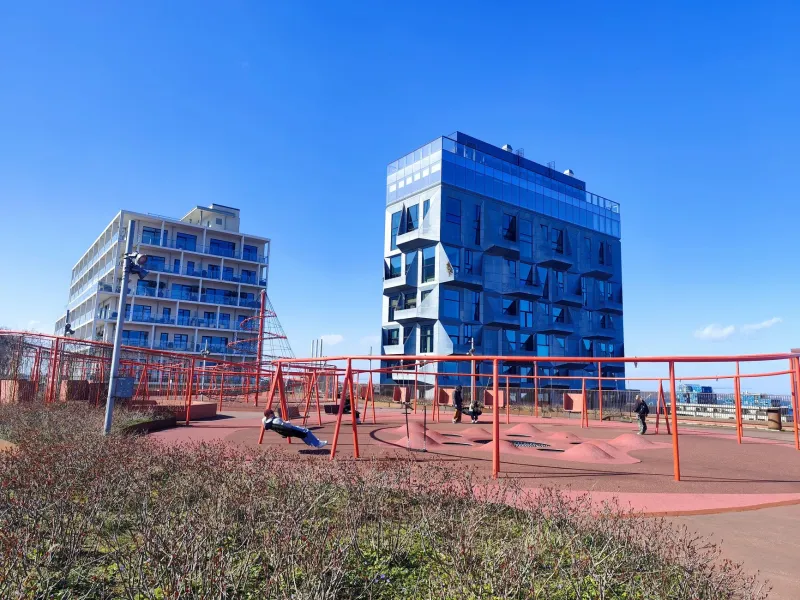
The inspiration is coming from abroad. In Copenhagen and other Northern European cities, playgrounds are treated less like padded furniture and more like public spaces for curiosity. They use natural materials, loose parts, and manageable risk. They invite kids to build, climb, dig, and sometimes get a little dirty. In 2026, that approach is showing up in American parks, schoolyards, and city planning meetings.
Why Copenhagen Keeps Showing Up in Playground Conversations
Copenhagen did not invent play. But the city has become a reliable reference point for designers because it treats play as part of urban life rather than a separate kiddie zone. You will see playgrounds woven into parks and plazas, with logs, boulders, ropes, water features, and spaces that look a little unfinished by American standards. That is the point. A good play space does not do all the playing for the child.
The broader trend is often called adventure play or risk-positive design. It does not mean dangerous playgrounds. It means environments that offer challenge and let kids practice judgment. A balance beam that wobbles slightly. A hill that is fun to roll down. A patch of sand that becomes a construction site. These are small design choices with big effects on how long kids stay engaged.
The Trends Worth Borrowing
Adventure play. Adventure playgrounds often include tools, loose materials, and staff who help kids build and manage their own projects. The American version is usually scaled down, but the spirit is the same: less fixed equipment, more possibility.
Natural materials. Wood, stone, sand, water, and plants are replacing some of the brightly colored plastic. These materials age, change, and invite different kinds of play. They also tend to look better in a neighborhood, which helps with public support.
Loose parts. Crates, tubes, fabric, and wheels can become a fort, a shop, or a spaceship. The key is having enough materials and a place to store them.
Quiet and sensory zones. Not every child wants to sprint and shout. Good playgrounds include places to retreat, textures to touch, and spaces that work for kids with different sensory needs.
Play streets. Some cities are closing residential blocks to cars for a few hours so kids can bike, draw with chalk, and run around. It is a low-cost way to add play space without building a new park.
U.S. Cities Already Testing the Idea
The United States is not starting from zero. New York has adventurous play spaces, including Play:groundNYC on Governors Island, where kids can build and explore with loose materials. Berkeley, California, has a long history of adventure playgrounds. Cities like Austin, Denver, and Minneapolis have been experimenting with nature play, pop-up adventure spaces, and schoolyard redesigns.
What is changing in 2026 is the level of interest from ordinary parents. Playground design used to be a niche concern for parks departments and equipment vendors. Now it shows up in neighborhood group chats, school board meetings, and city planning surveys. Parents are comparing notes on social media, asking why one park has a climbing wall and another has a single plastic slide, and showing up to meetings with photos from trips abroad.
A Light Guide to Advocating for Better Play Spaces
You do not need to be a landscape architect to make a difference. Start by auditing what you already have. Visit your local playgrounds at different times of day. Notice which areas are crowded and which are ignored. Take photos. Ask kids what they would change. Their answers are usually more useful than a vendor catalog.
Next, find the right room. Parks departments, city councils, school boards, and neighborhood associations all make decisions about play spaces. A short, friendly comment at a public meeting can go further than a long complaint online. Bring examples. Mention what other cities are doing. Keep the focus on use, safety, and maintenance.
Then propose a pilot. A pop-up adventure play event, a temporary play street, or a small natural play area can test an idea without committing to a full redesign. Partner with a local nonprofit, library, or school. Look for grants. Many foundations and health systems fund play and outdoor access projects.
Finally, think about maintenance. The most beautiful playground in the world will fail if no one waters the plants, replaces the sand, or checks the equipment. Good design includes a plan for care.
The Real Design Shift
The playground conversation is really about trust. For years, American play spaces tried to remove every possible bump and scrape. The new approach does not abandon safety. It recognizes that kids benefit from challenge, independence, and a sense of adventure. A playground does not need to look like a Danish design magazine to work. It just needs to give kids something worth doing.
In 2026, the best neighborhood park might not have the biggest slide or the newest equipment. It might have a pile of logs, a muddy patch, a quiet corner, and a bench where parents can actually sit. That is not a downgrade. It is a different idea of what a playground is for.